It is the beliefs and values that our citizens bring to such difficult debates which puts breath into the inanimate skeleton of scientific knowledge. Censor or mock beliefs, and we are nothing: our knowledge counts for naught. – Mike Hulme ((In Andy Revkin’s discussion on whether scientists are from Mars and the public are from Venus, Dot Earth, June 2010 http://dotearth.blogs.nytimes.com/2010/06/29/scientists-from-mars-face-public-from-venus/))
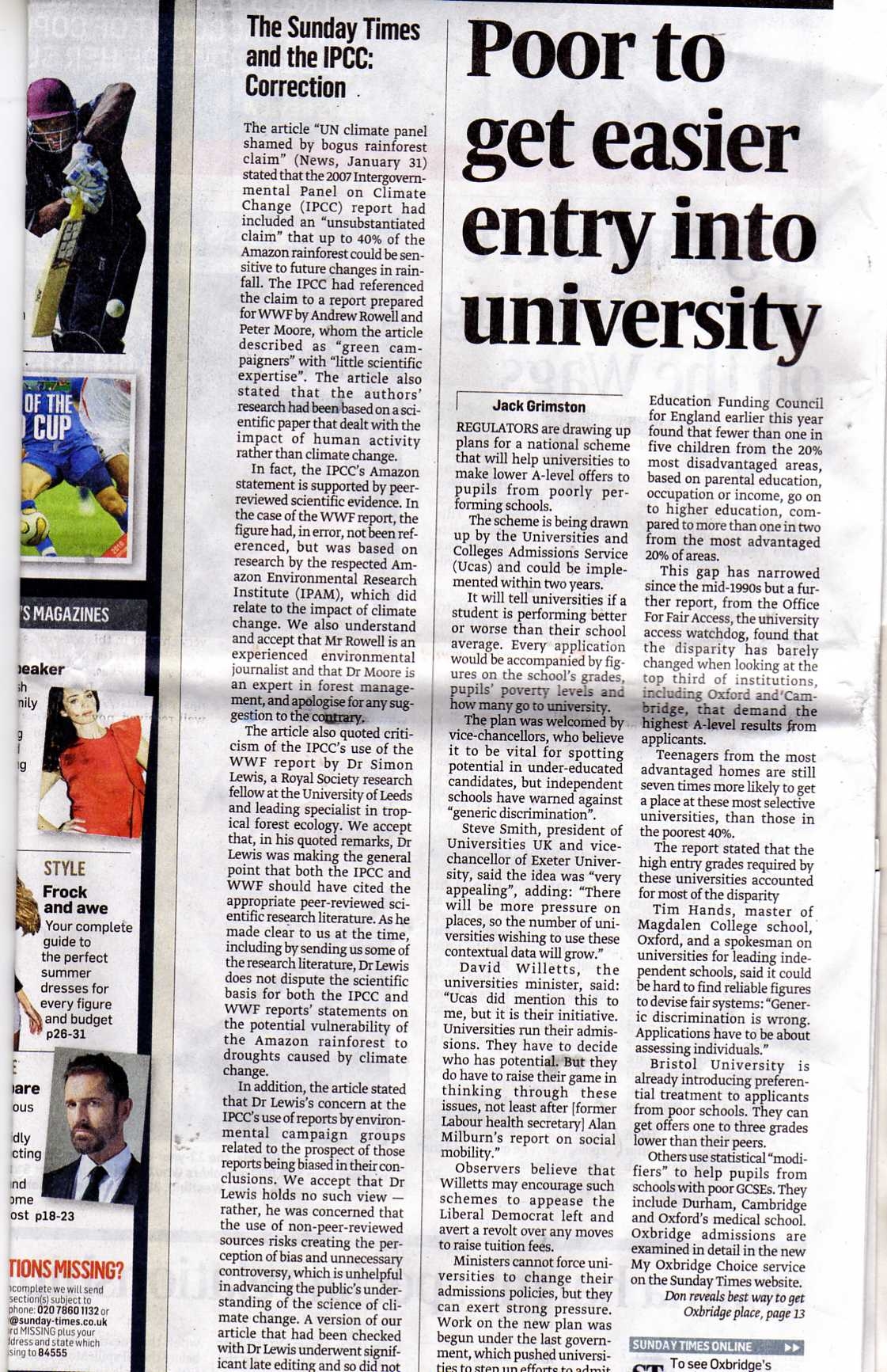
In the latter months of last year and the earlier months of this one, public debate on climate change became particularly charged and divided. The media’s fragmented reporting became more and more confused following a cold Northern hemisphere winter and the CRU email-hack, dribbling out contradictory reports about apparent (later largely disproved) IPCC mistakes, and there seemed to be disagreement between everyone. As an organisation thinking about various ways of communicating climate change, we started thinking about the broad idea of ‘public engagement’ and whether it could usefully be applied to discussing climate change. Public engagement – an umbrella term for a set of different approaches to getting citizens involved in issues to do with pretty much anything, usually related to society or politics – has become a widely used tool in decision-making processes in the last ten years. Read more